How to Train Pelvic Floor Muscles: Guided Plan vs Going It Alone
By:Author:DoKegel Editorial
Updated on:October 16, 2026
- Can You Really Strengthen a Muscle You Can't See?
- Guided Plan or Self-Taught: Weighing the Pelvic Floor Options
- Why a Short Guided Session Beats a Vague Daily Goal
- Matching Pelvic Floor Training to Your Starting Point
- Building Pelvic Floor Training Around a Full Schedule
- No, There's No Overnight Fix for Pelvic Floor Strength
- Making Pelvic Floor Workouts Easier to Stick With Using DoKegel
- Starting Pelvic Floor Training Without Overthinking It
Training pelvic floor muscles means contracting and releasing the muscle group that supports the bladder, bowel and sexual function, usually through short repeated squeezes known as Kegel exercises. Most people were never taught how to find this muscle, let alone train it properly, so the confusion is normal and not a sign of anything wrong.
The mechanism is simple: like any other muscle, the pelvic floor responds to repeated, deliberate contraction by getting stronger and more responsive over time. Nobody shows you this muscle in a mirror the way they show you a bicep, so the learning curve is steeper even though the training itself is less demanding.
This article covers whether pelvic floor training actually works, the choice between a guided plan and working it out alone, who the different approaches suit, and what a realistic routine looks like. Speak to a clinician if you notice pain, leaking that's getting worse, or any new symptom that worries you.
Can You Really Strengthen a Muscle You Can't See?
Yes - the pelvic floor is skeletal muscle, and skeletal muscle responds to repeated contraction the same way anywhere else in the body. The honest arithmetic: a contraction held for a few seconds, repeated across a short daily session, adds up to meaningful total training volume across weeks, not days.
Say a session is 5 minutes and involves 10 contractions. Do that once a day and by the end of a week you've asked the muscle to contract 70 times - skip a few days and that number drops fast, which is really the whole story of why consistency outperforms intensity here.
The catch isn't whether the muscle can get stronger. It's whether the technique is correct and whether the habit survives a busy week, which is where most people actually fall down.
Guided Plan or Self-Taught: Weighing the Pelvic Floor Options
Training this muscle alone usually means a few remembered tips and a hope that the technique is right. A guided plan structures the sets, reps and progression so you're not guessing week to week.
| Factor | Guided Plan | Going It Alone |
|---|---|---|
| Finding the muscle | Clear cues built in | Trial and error |
| Progression | Structured week by week | Left to guesswork |
| Tracking | Built-in habit trackers | Memory or nothing |
| Variety | Rotating guided sessions | Same routine repeated |
| Staying consistent | Reminders and structure | Relies on willpower |
Neither option changes the underlying mechanism - the muscle still just needs repeated contraction. What changes is how likely you are to keep showing up, which in practice decides almost everything.
Why a Short Guided Session Beats a Vague Daily Goal
A vague goal like "do some Kegels today" has no start time, no end time, and no clear finish line, so it's easy to quietly drop. A short guided session has a beginning and an end, which makes it far easier to actually complete.
Compare it to the harder alternative some people try instead: long, infrequent sessions meant to make up for missed days. Cramming extra contractions into one long session doesn't give the muscle the repeated, spaced stimulus it responds to, and it's also just less pleasant, which makes you less likely to repeat it.

Small and frequent wins here for the same reason it wins in most habit-based training: a routine you can finish in a few minutes is a routine you'll actually return to tomorrow.
Matching Pelvic Floor Training to Your Starting Point
If You're Just Getting Started
Start by learning the contraction itself before worrying about reps or sets. Short, correctly performed sessions beat long sessions done with the wrong muscle group entirely.
If Your Schedule Is Packed
This is one of the few exercises that doesn't need a change of clothes, a mat or a spare room. A session can happen at a desk, in a queue or during a commute, which removes most of the usual excuses.
If You're Training Later in Life
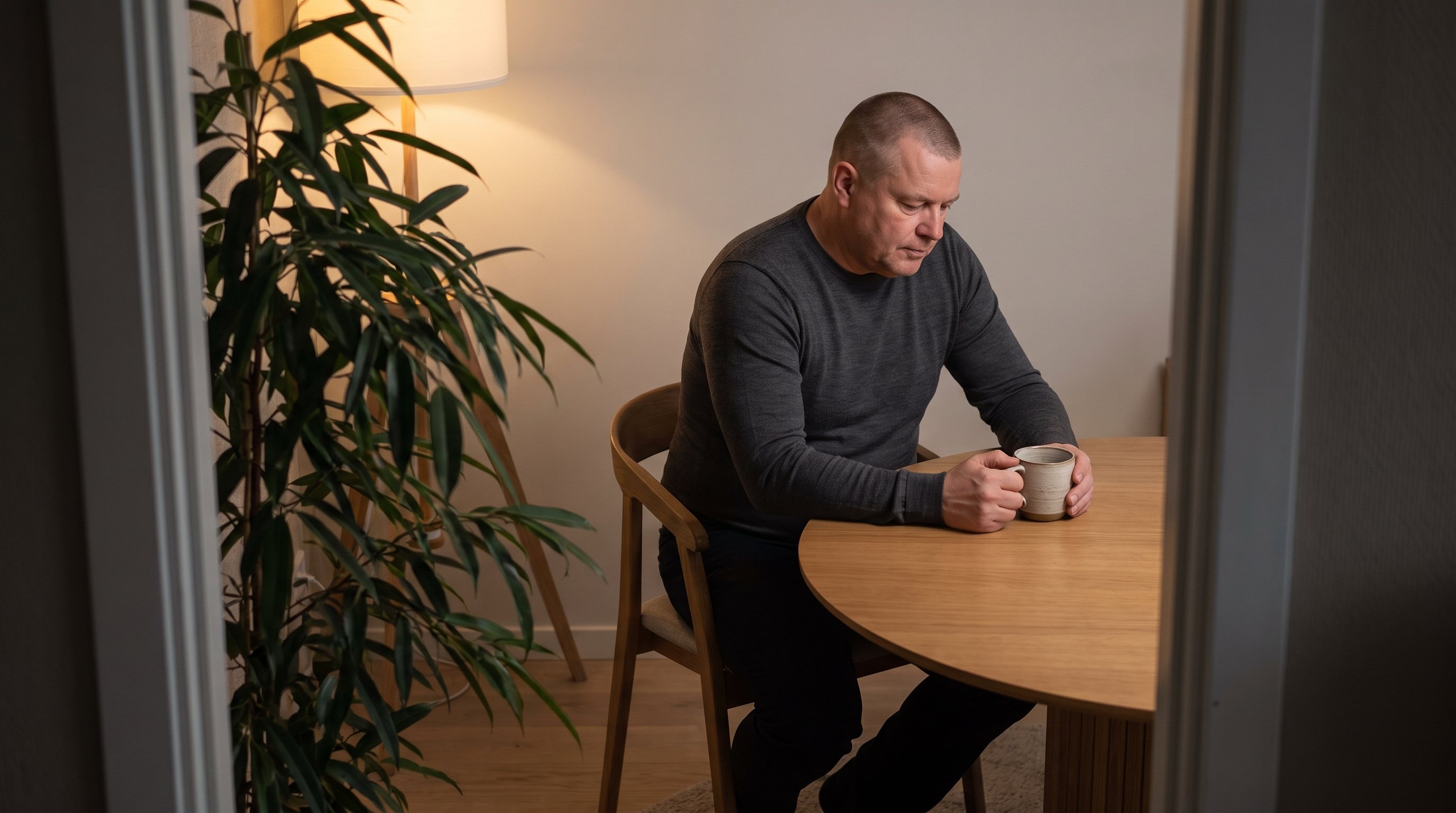
The same muscle, the same mechanism - just a stronger case for consistency over intensity, since short and steady beats occasional and forced at any age. Speak to a clinician first if you have an existing pelvic health condition.
If You've Tried Before and Stopped
The usual reason people stop isn't that it didn't work, it's that nothing was tracking the sessions, so the habit quietly faded. That's a structure problem, not a motivation problem, and it's fixable.
Building Pelvic Floor Training Around a Full Schedule
The sessions themselves take minutes, but minutes still need a slot, and a slot still needs a reminder or it gets swallowed by the day. Anchoring the habit to something already fixed - brushing teeth, the commute, the first coffee - removes the need to remember it cold.
This is where a tailored plan with built-in reminders and tracking earns its keep: it holds the slot for you instead of leaving it to memory. DoKegel does exactly this, pairing short guided sessions with daily habit trackers so the routine has a home in your day rather than floating free.
None of that replaces doing the work. It just removes the friction that normally gets in the way of doing it.
No, There's No Overnight Fix for Pelvic Floor Strength
The promise people want is a fast fix - a week of intense effort that sorts the whole thing out. That's not how muscle training works anywhere in the body, and the pelvic floor is no exception.
It also doesn't work to target one outcome in isolation while ignoring the training itself; there's no shortcut that skips the repeated contractions. The honest answer is slower and less exciting: short sessions, done consistently, over a stretch of weeks, with technique that's actually correct.
That's unglamorous, but it's also the only version of this that holds up to scrutiny.
Making Pelvic Floor Workouts Easier to Stick With Using DoKegel
Knowing you should train this muscle and actually remembering to do it most days are two different problems, and the second one is the harder one to solve alone. DoKegel tackles that gap directly with a tailored plan of short, guided Kegel sessions, daily habit trackers, and lifestyle challenges that nudge the routine forward without needing a gym, special equipment or a restrictive diet.
There's also a specialist-curated article library and audio and video content built to fit around an actual schedule, rather than demanding you carve out a new block of time. The point isn't to make the muscle work harder - it's to make showing up easier, repeatedly.
Build Stamina Naturally
Train Where It Counts
Starting Pelvic Floor Training Without Overthinking It
The next step isn't a big one: a short session today, correctly performed, is worth more than a perfect plan you never start. Pick a fixed moment in the day, attach the habit to it, and let the repetitions do the slow work they're built for.
If keeping track on your own hasn't stuck before, a guided structure like DoKegel removes a lot of the guesswork and the memory load, leaving you with just the few minutes of actual training.
FAQ
There's no fixed timeline, and anyone promising a set number of weeks is guessing. What matters more than the clock is whether the sessions are happening consistently and with correct technique.
No - the pelvic floor is a genuine skeletal muscle group with a real structural job, not a marketing idea. It responds to training the same way any other muscle does, through repeated, deliberate contraction.
The sessions are short enough to fit into moments already in the day, like a commute or a coffee break, so it's rarely a true time problem. Apps such as DoKegel also build in reminders and trackers specifically so the habit doesn't depend on remembering it unaided.
Usually it's not that the exercise stopped working, it's that nothing was tracking the sessions and the routine quietly slipped. A fixed daily slot and some way of logging progress tend to fix that far more reliably than willpower alone.
Share this post