Vitamin D Foods: Comparing Food, Sunlight, or Supplements
By:Author:DoKegel Editorial
Updated on:October 16, 2026
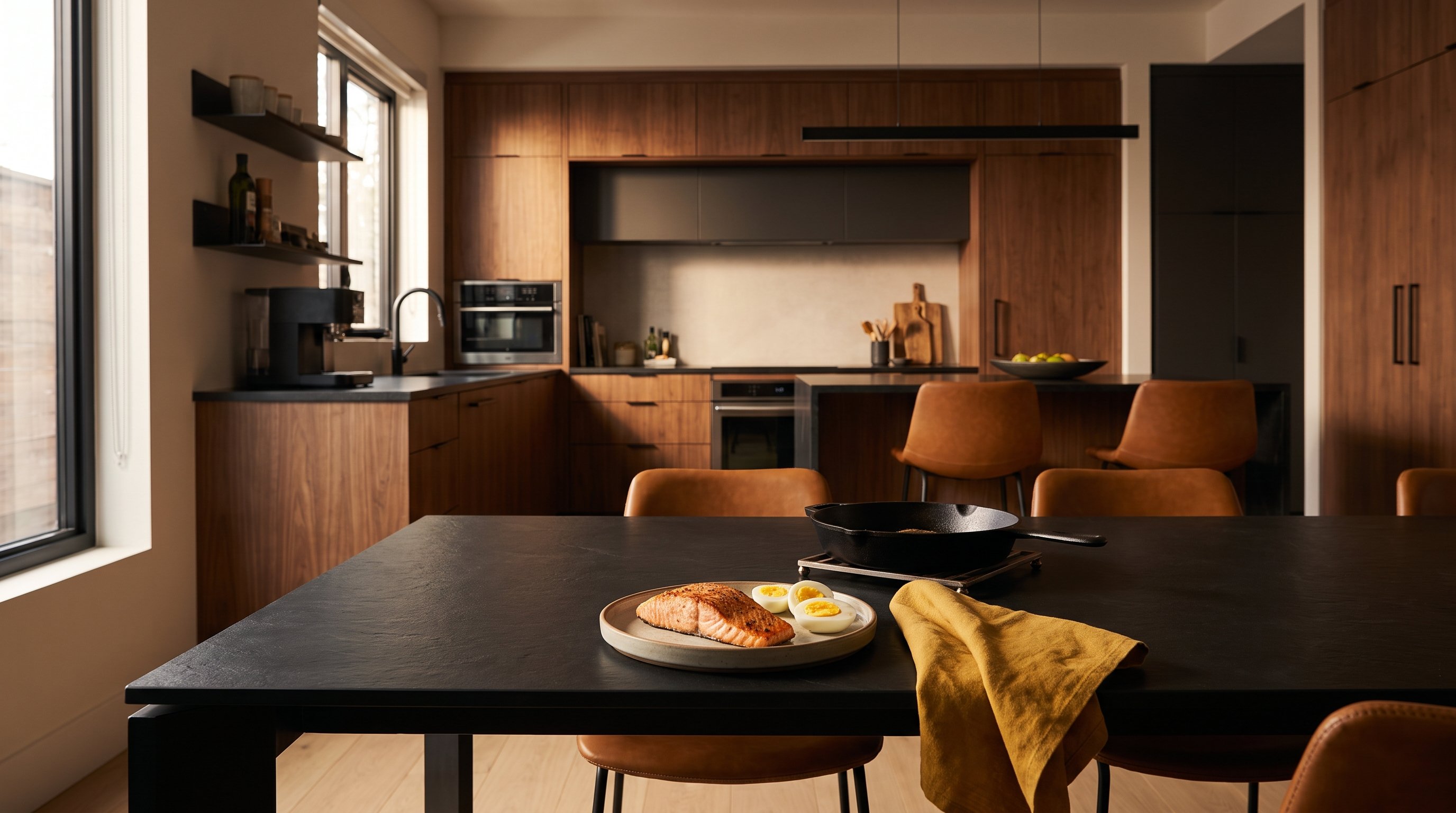
- What a Day of Vitamin D Foods Actually Looks Like
- How Much Vitamin D Food You Actually Need
- Why Everyday Meals Beat Chasing a Perfect Diet
- Fitting Vitamin D Foods Into a Normal Routine
- Matching Vitamin D Habits to Different Lifestyles
- When Vitamin D Habits Start to Feel Automatic
- Building Consistency Around Vitamin D Foods With DoKegel
- Making Vitamin D Foods Part of Your Week
Vitamin D foods are the short list of things that naturally carry this vitamin: oily fish, egg yolks, mushrooms left in sunlight, and fortified foods like some milks and cereals. Most other foods carry barely any, which is why the conversation always widens out to sunlight and supplements too.
The body makes vitamin D when skin is exposed to sunlight, and it can also absorb the nutrient from food once it travels through the gut. The amount any single food contributes is small compared with what a sunny afternoon or a supplement capsule can provide, which is the whole reason this gets confusing.
This guide walks through what a realistic day or week of nutrient-rich foods looks like, how the three sources compare, and where a small daily habit like tracking what you eat and drink can make the whole thing easier to keep up.
What a Day of Vitamin D Foods Actually Looks Like
There's no need to overhaul every meal. A day built around a couple of sources from these options, plus some time outdoors, covers the basics without turning eating into a chore.
A Sample Day
- Breakfast - fortified cereal or fortified milk with a piece of fruit
- Mid-morning - a short walk outside, weather allowing
- Lunch - eggs, including the yolk, in a sandwich or salad
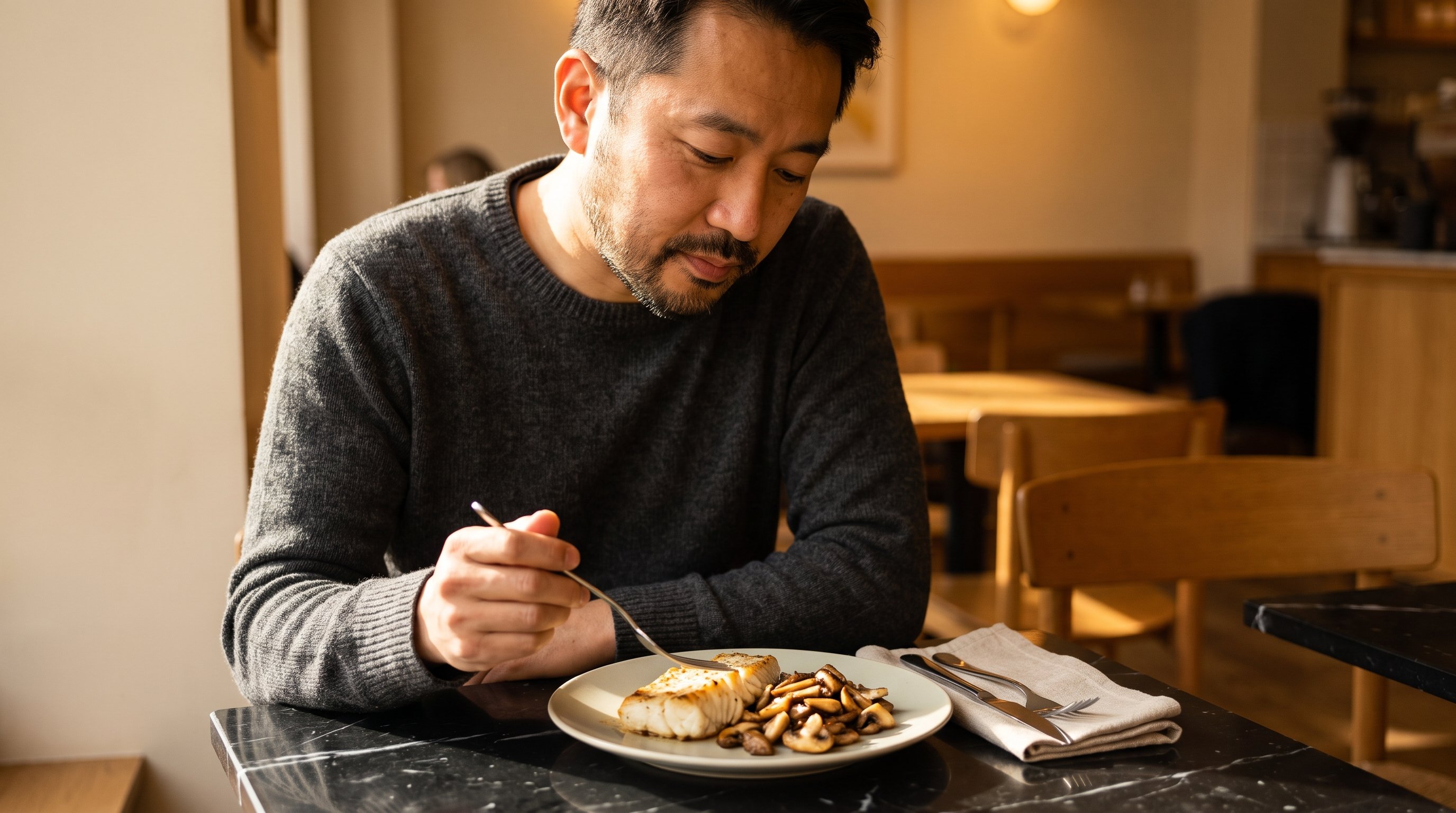
- Dinner - a portion of oily fish such as salmon, mackerel or sardines
- Snack - mushrooms added to a side dish or stir fry
None of this needs to happen every single day to count for something, and swapping fish for eggs or mushrooms on other days still keeps the pattern going.
How Much Vitamin D Food You Actually Need
Comparing Common Sources
Different foods and habits carry very different amounts of vitamin D, which is why relying on just one source can leave gaps.
| Source | Typical Contribution |
|---|---|
| Oily fish, cooked portion | Higher natural source |
| Egg yolk, one egg | Small natural amount |
| Mushrooms, sunlight exposed | Variable, can be useful |
| Fortified milk or cereal | Added, consistent amount |
| Midday sunlight on skin | Can be a major source |
Combining a couple of these across the week does more than leaning on just one, since each source fills a different part of the gap.
Why Everyday Meals Beat Chasing a Perfect Diet
The harder route is trying to hit an exact number every day through food alone, weighing portions of salmon and counting egg yolks like it's a lab exercise. The easier route is picking a small rotation of nutrient-rich options you already enjoy and letting them show up naturally through the week.
A rotation beats a rigid plan because rotations survive busy weeks, bad moods, and the days you just want toast. A plan that depends on precision usually falls apart the first time life gets in the way.

The same logic shows up elsewhere in health habits too: the thing you can repeat without thinking beats the thing you have to force yourself through.
Fitting Vitamin D Foods Into a Normal Routine
Most people don't fail at building these habits because the information is hard. They fail because nobody tracks the small habits long enough to notice a pattern.
This is where a habit tracker earns its keep, not just for food but for the wider daily routine around it. DoKegel's daily habit trackers for hydration and wellness routines sit in the same spirit, giving you one place to notice what you're actually doing day to day instead of guessing.
Seeing a pattern on a screen, rather than trying to remember it, is often the difference between a habit that sticks and one that quietly fades by the second week.
Matching Vitamin D Habits to Different Lifestyles
If You're Mostly Indoors
Lean harder on fortified foods and oily fish, since sunlight exposure is naturally limited by an office schedule or a climate that doesn't cooperate.
If You're Always Busy
Pick two or three options that need almost no preparation, like eggs or tinned fish, so the habit survives a packed week.
If You're Older
Food and sunlight alone may not be enough, which is a conversation worth having with a clinician if you're concerned about your levels.
If You're Outdoors Often
Food still matters, but a reasonable amount of sunlight exposure on bare skin can carry a good part of the load on its own.
When Vitamin D Habits Start to Feel Automatic
There's no single week where these habits suddenly click into place, and it's honest to say the timeline varies a lot from person to person.
What tends to happen is that a rotation of foods stops feeling like a task and starts feeling like what you just eat, usually once it's been repeated enough times to become boring in a good way.
This is often the point where people quit other health habits too, right when the novelty wears off and before the routine feels automatic, so staying consistent through that stretch matters more than getting everything exactly right.
Building Consistency Around Vitamin D Foods With DoKegel
Nutrition habits don't exist on their own, they sit alongside sleep, movement, and the rest of a daily routine, which is exactly where DoKegel fits for people already working on their wider wellness.
Alongside a customized Kegel exercise plan and guided sessions, the platform's habit trackers and lifestyle challenges give you one place to build small routines, whether that's hydration, exercise, or simply noticing what's on your plate.
None of this replaces thinking about food, but a tool that makes tracking easier removes one more reason to let a good habit slip.
Build Stamina Naturally
Train Where It Counts
Making Vitamin D Foods Part of Your Week
Pick two or three options you genuinely like, build them into meals you already cook, and let sunlight do the rest when the weather allows it.
If you're already using DoKegel's trackers for hydration and wellness routines, adding a quick note about meals is a small extra step that keeps the whole picture in one place.
FAQ
For some people, a steady mix of oily fish, eggs and fortified foods goes a long way, but food alone can be harder work than pairing it with reasonable sunlight exposure. If you're unsure where you stand, a conversation with a clinician is the most reliable next step.
Sunlight can be a major source, but it isn't reliable everywhere or in every season, which is why food and sunlight tend to work better together than either alone. Treating them as a pair rather than picking one removes a lot of the guesswork.
Start small, one new food added to a meal you already make, rather than trying to overhaul everything at once. A fortified cereal at breakfast or eggs at lunch is an easy place to begin without feeling like a diet change.
It usually fades because there's nothing to notice the pattern against, so the habit quietly disappears without anyone realising. Using a tracker, like the daily habit trackers inside DoKegel, gives the habit something visible to hold onto.
Share this post