How to Eat More Protein: Protein-First Meals vs Cutting Calories
By:Author:DoKegel Editorial
Updated on:October 16, 2026
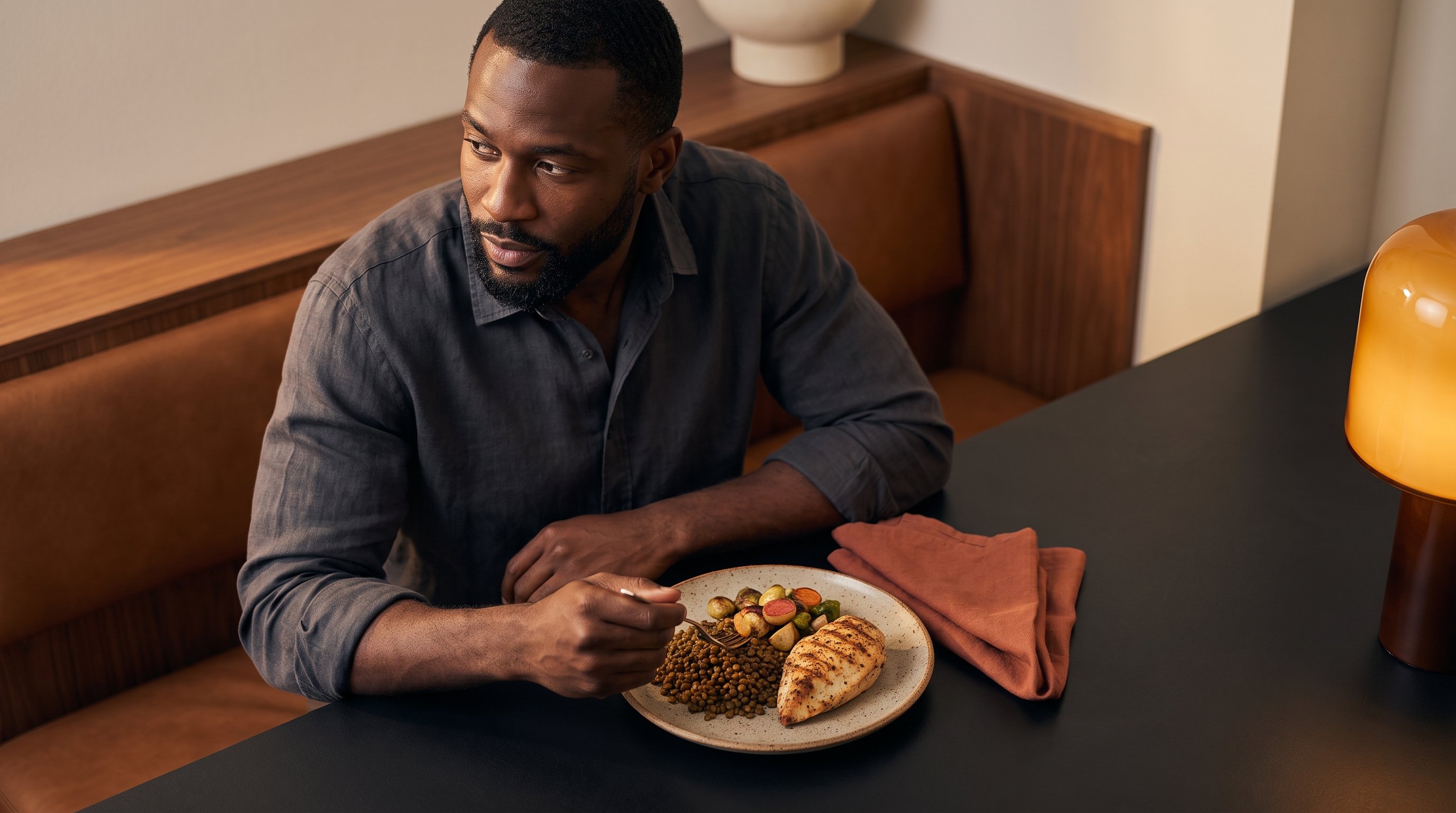
- What a Protein-First Day on Your Plate Looks Like
- How Much Protein Actually Fits Into a Day
- Why Protein-First Beats Strict Calorie Counting
- Fitting Protein-First Eating Into a Normal Week
- Adjusting Protein Goals for Different Lifestyles
- When Protein-First Eating Starts to Feel Normal
- Building a Daily Habit Around DoKegel and Protein-First Meals
- Making Your Next Meal the Protein-First One
The simplest way to eat more protein is to build each meal around a protein source first, then add everything else around it. That one shift - protein before carbs or vegetables get chosen - tends to beat cutting calories across the board because it fills you up without the constant hunger that comes from eating less overall.
Protein takes more effort for the body to break down and keeps you feeling full for longer than fat or carbohydrate, which is why a protein-first plate naturally edges out portion counting.
This guide covers what a protein-first day looks like, how much protein actually makes sense, why it beats calorie-cutting for most people, and how to fit it into a week that's already busy.
What a Protein-First Day on Your Plate Looks Like
A protein-first day doesn't need a meal plan app or a kitchen scale. It just needs a protein source picked before anything else lands on the plate.
A Simple Protein-First Day
- Breakfast - eggs or Greek yoghurt with fruit, chosen before any toast or cereal
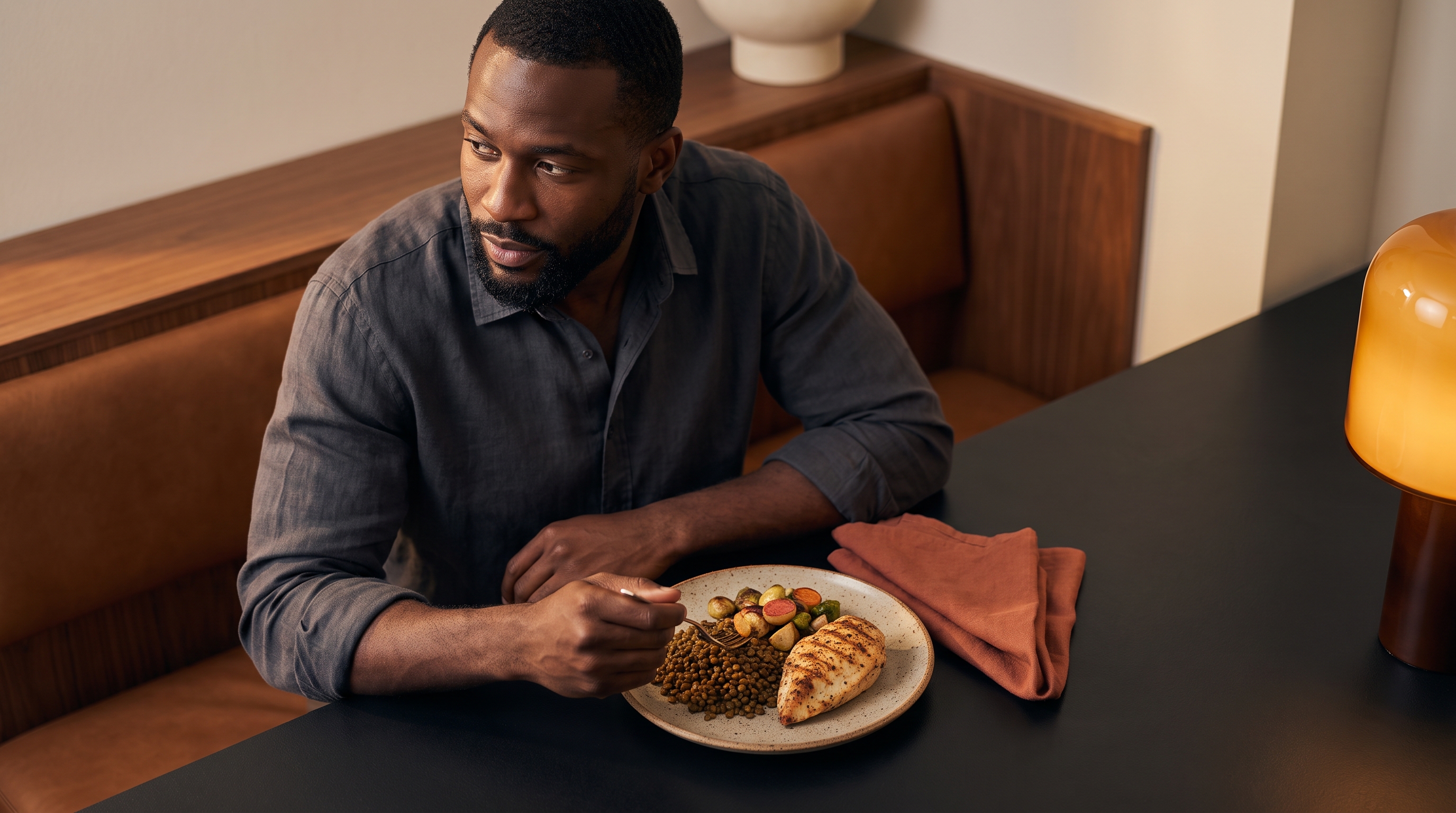
- Lunch - chicken, fish, tofu or beans as the base, with rice or salad built around it
- Snack - cottage cheese, a handful of nuts, or a boiled egg instead of crisps
- Dinner - a palm-sized portion of meat, fish or legumes first, vegetables and carbs filling the rest of the plate
Nothing here is off-limits. The order of decisions is what changes - protein chosen first means less room left for low-protein filler.
How Much Protein Actually Fits Into a Day
Spreading Protein Across Meals
Most people find it easier to hit a protein target by splitting it across three or four meals rather than loading it all into one. A spread-out approach also means you're never relying on a single large meal to catch up.
| Meal | Protein-First Example |
|---|---|
| Breakfast | 3 eggs or Greek yoghurt bowl |
| Lunch | Chicken breast or lentil bowl |
| Snack | Cottage cheese or nuts |
| Dinner | Fish, tofu or beans |
Four protein-containing meals across a day means four chances to feel full, rather than one large effort at dinner that leaves the rest of the day hungry.
Why Protein-First Beats Strict Calorie Counting
Calorie counting asks you to track, weigh and subtract every day, forever. Protein-first eating asks you to make one decision per meal - what's the protein, and has it been added yet.
Fewer decisions mean fewer chances to quit. A strict calorie count can collapse the moment life gets busy or a meal out throws the numbers off, whereas choosing protein first survives a messy week because it's a habit, not a spreadsheet.
Neither approach targets a body area or guarantees a number on the scale, and nobody should expect one. What protein-first does offer is a plate that's harder to overeat on, because the filling part came first.
Fitting Protein-First Eating Into a Normal Week
A protein-first habit works best when it sits next to the other small routines already running in your day - water, sleep, movement.
That's where habit tracking earns its keep. DoKegel's daily trackers cover hydration and wellness routines, so a protein-first meal habit can sit alongside the other things you're already trying to keep consistent, all logged in one place instead of scattered across memory.
Pairing a food habit with a tracker you check daily tends to make it stickier simply because you're already looking at the app for something else.
Adjusting Protein Goals for Different Lifestyles
If You're New to This
Start with one meal a day, not all three. Pick breakfast or dinner, add a protein source before anything else, and let the other meals catch up once that one feels automatic.
If You're Short on Time
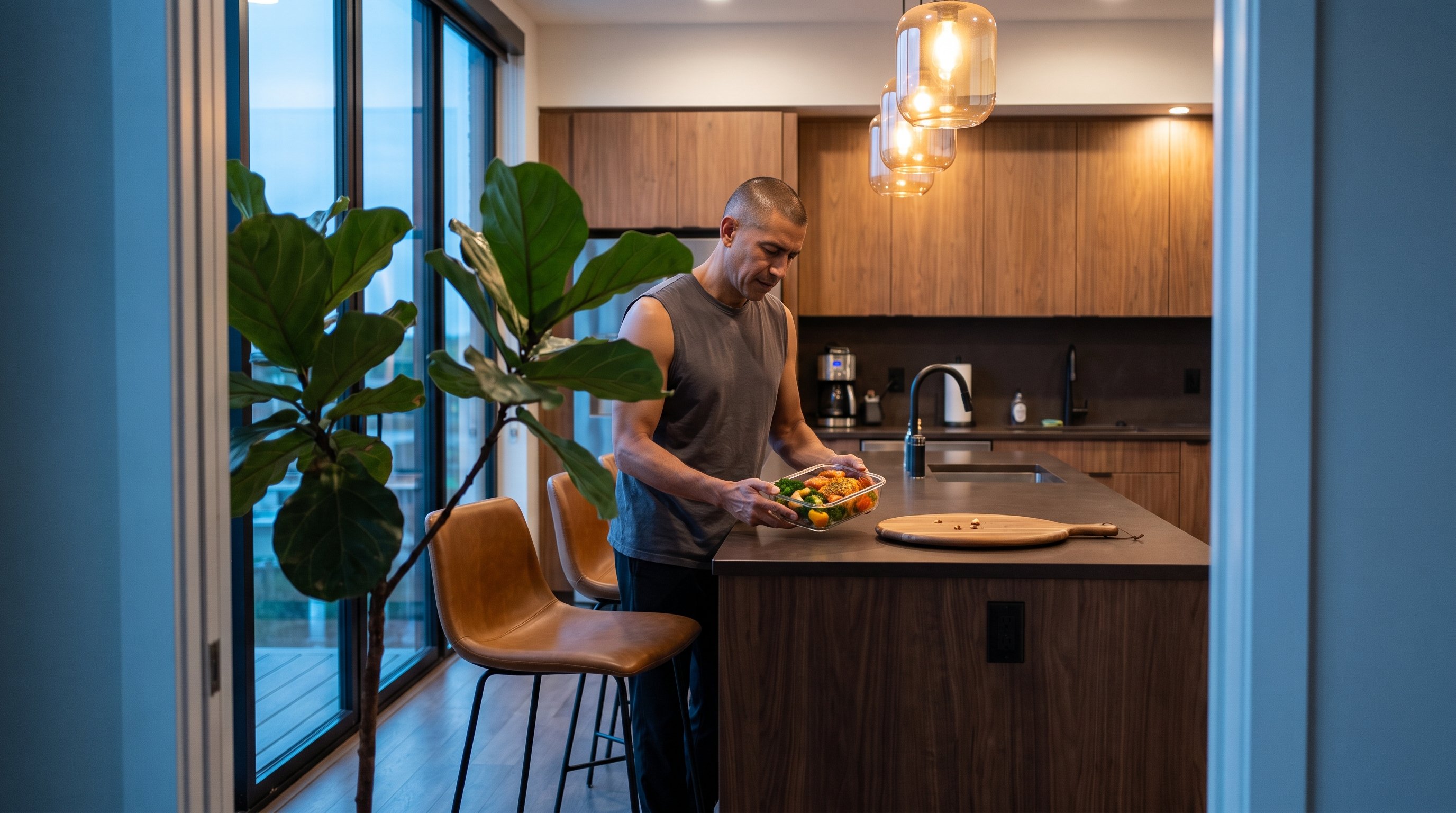
Batch-cook two or three protein sources at the start of the week - boiled eggs, grilled chicken, cooked lentils - so a protein choice is already sitting in the fridge rather than something you have to decide from scratch each evening.

If You're Eating Mostly Plants
Beans, lentils, tofu and tempeh all work as a protein-first base; the same rule applies, just with a plant source taking the spot a meat or fish source would otherwise fill.
If You're Older and Eating Less Overall
Smaller appetites mean protein needs to be prioritised even harder within a smaller plate, so lean into dense sources like eggs, fish or dairy rather than spreading a thin appetite across lots of low-protein foods.
When Protein-First Eating Starts to Feel Normal
The first week or two is the hardest part, mostly because choosing protein first is a new decision at every meal. It's worth staying vague about exactly when this becomes automatic - for some people it's quick, for others it takes longer, and neither pace means it's failing.
What tends to happen is the decision gets quieter over time. Eventually you're not consciously thinking 'protein first' - you're just reaching for the eggs, the chicken, the lentils, without the internal debate.
The people who stick with it longest are usually the ones who kept it simple from day one rather than trying to overhaul every meal at once.
Building a Daily Habit Around DoKegel and Protein-First Meals
A food habit is easier to keep when it's not the only thing you're trying to change. Pairing it with a routine you're already building elsewhere does a lot of the heavy lifting.
DoKegel brings together guided exercise sessions, daily trackers, lifestyle challenges and a specialist-curated article library in one place, so a protein-first eating habit can sit alongside the rest of a daily wellness routine rather than existing as a separate, easily-forgotten task.
Build Stamina Naturally
Train Where It Counts
Making Your Next Meal the Protein-First One
The next meal you eat is the easiest place to start - pick the protein first, then build the rest of the plate around it. No tracking app required for that one decision, just a quick mental check before you start cooking or ordering.
If you're already using DoKegel's trackers for water or daily routines, adding a protein-first check to that same habit loop costs you nothing extra and gives the new habit somewhere to live.
FAQ
Eating protein first tends to leave you fuller on fewer total calories, which can support a lower-calorie pattern without the constant hunger that strict cutting causes. No figure or timeframe should be expected, since weight change depends on far more than one meal choice.
Calorie counting can be accurate, but accuracy only matters if you keep doing it, and most people stop within weeks. Protein-first eating trades some precision for something far more sustainable: a habit you can keep without tracking every gram.
Protein doesn't have to come from meat or fish - eggs, dairy, beans, lentils and tofu all count and can rotate through the week so nothing feels repetitive. The goal is picking a protein source first, not picking the same one every time.
Pairing the new habit with something you already check daily, like a hydration or wellness tracker, makes it far less likely to get forgotten. DoKegel's daily trackers are one place to anchor a protein-first habit so it isn't relying on memory alone.
Share this post