Gut Health Foods: A Practical Guide
By:Author:DoKegel Editorial
Updated on:October 16, 2026
- Do Gut Health Foods Actually Make a Difference?
- Whole Food Meals or Probiotic Capsules: Weighing the Choice
- Why Everyday Meals Beat an Expensive Supplement Stack
- Matching These Foods to Your Actual Routine
- Fitting These Foods Into a Full Day
- No, There Is No Single Food That Fixes Digestion Overnight
- Pairing Food Choices With a DoKegel Routine
- Building a Week Worth Repeating
Foods supporting digestive health are mostly fibre-rich plants, fermented foods and a bit of variety across the week - not one magic ingredient. The gut lining and the bacteria living in it respond to what passes through it regularly, which means pattern matters more than any single meal.
Fibre feeds the bacteria that live in the large intestine, and fermented foods introduce live cultures that pass through alongside your normal diet. Neither works as a quick fix - both work because you keep doing them.
This guide covers what the evidence of mechanism actually supports, a simple comparison of whole foods versus supplements, who this suits, and where a tool like DoKegel can sit alongside better eating as part of a wider wellness routine.
Do Gut Health Foods Actually Make a Difference?
The mechanism is straightforward: fibre from vegetables, legumes, oats and whole grains is not digested by your stomach, so it travels to the large intestine where bacteria break it down.
That process is what keeps the gut environment active and diverse, rather than any single "superfood" doing the work alone.
Fermented foods such as yoghurt, kefir and sauerkraut add live bacterial cultures directly, which is a different route to the same general goal - more variety in what is passing through.
Here is the honest arithmetic: if a typical plate swaps white bread for wholegrain, adds one portion of beans or lentils, and includes a forkful of fermented food, that is three separate fibre and culture sources in one meal, not three separate habits to maintain.
Doing that most days, rather than perfectly every day, is what adds up over weeks rather than one sitting.
Whole Food Meals or Probiotic Capsules: Weighing the Choice
The real decision most people weigh is whether to build meals around digestive-friendly whole foods or to reach for a probiotic or fibre supplement capsule instead.
Both can play a role, but they are not interchangeable, and the table below lays out the practical differences.

| Factor | Whole Foods | Capsule Route |
|---|---|---|
| Fibre source | Vegetables, oats, legumes | Isolated fibre powder |
| Bacterial variety | Many strains, naturally occurring | Few strains, lab-selected |
| Cost per week | Groceries you already buy | Added ongoing expense |
| Extra nutrients | Vitamins, minerals, protein included | Usually none included |
| Daily effort | Meal planning required | One capsule, less planning |
Neither column is wrong, but the whole-food route brings extra nutrients along for free, which a capsule cannot replicate.
Why Everyday Meals Beat an Expensive Supplement Stack
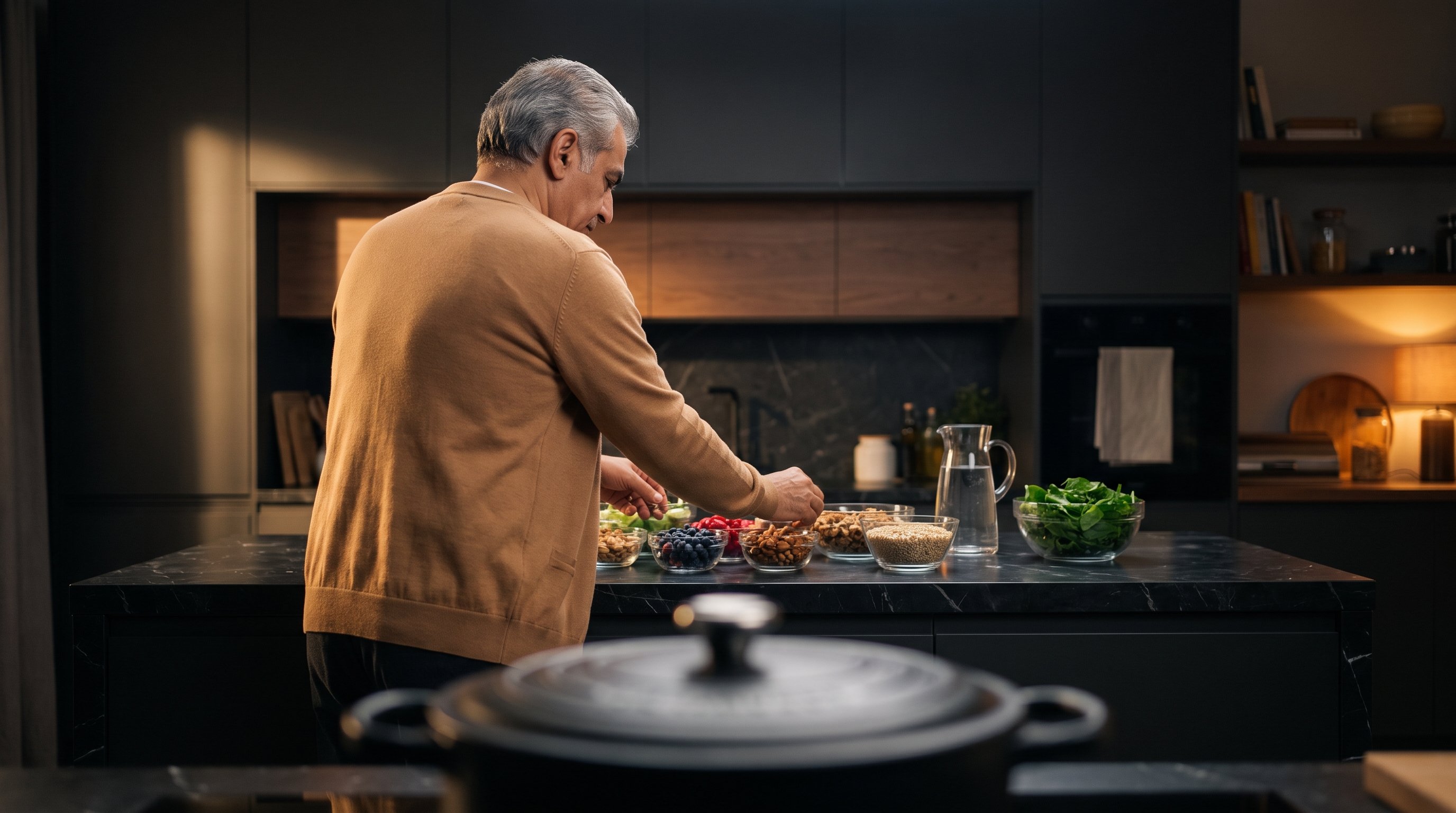
The adherence argument is simple: a bowl of oats with fruit is something you can eat tomorrow without thinking twice, while a stack of targeted supplements asks you to remember timing, dosage and cost every single day.
Food that is already in your kitchen does not require a reminder app or a subscription to keep showing up on your plate.
Supplement stacks also tend to get dropped the moment life gets busy, because they sit outside normal routine rather than inside it.
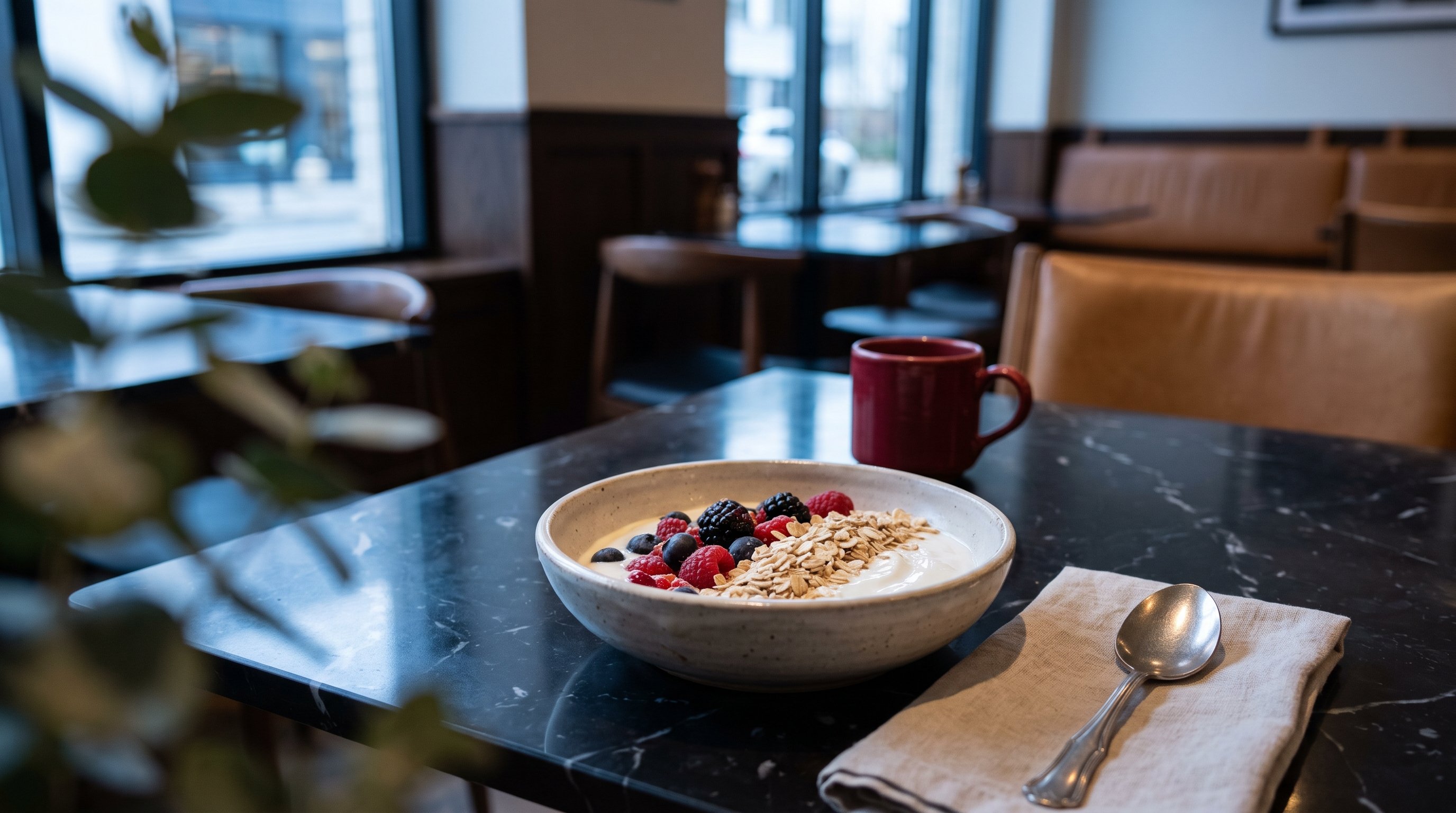
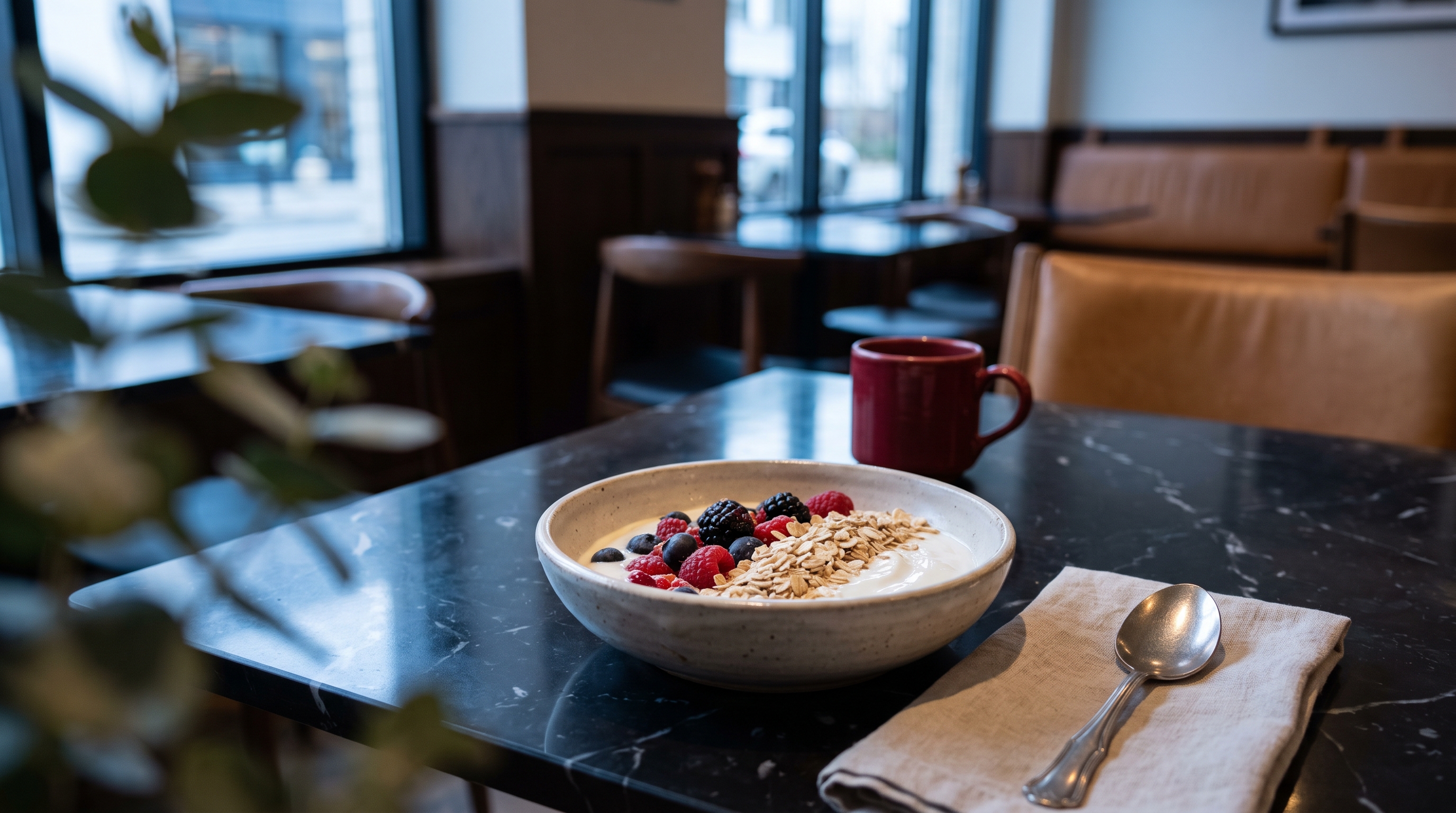
A lentil soup or a yoghurt bowl, on the other hand, is just lunch - it does not need willpower to remember, only a shopping list that already has the ingredients on it.
Matching These Foods to Your Actual Routine
If You Are Just Starting Out
Start with one swap, such as choosing wholegrain over white, rather than overhauling every meal at once. Small, repeatable changes are easier to keep than a full diet rebuild in week one.
If You Are Short on Time
Batch-cook a pot of beans or lentils at the weekend and add a spoonful to meals through the week. Frozen vegetables and tinned legumes count just as much as fresh ones and cut prep time to minutes.
If You Are Older or Managing a Sensitive Stomach
Increase fibre gradually rather than all at once, since a sudden jump can cause bloating before the gut adjusts. Speak to a clinician if you notice persistent digestive discomfort that does not settle after a few weeks of gentler changes.
If You Travel or Eat Out Often
Look for a side salad, a bean-based dish or a yoghurt option on most menus rather than trying to recreate a home routine exactly. Consistency across a week matters more than any single meal being perfect.
Fitting These Foods Into a Full Day
Most people do not fail at eating better because they lack information - they fail because the plan does not fit the shape of their actual day.
The same is true of any habit worth keeping, whether it is food choices or a short daily routine.
DoKegel takes that same approach to a different part of wellness, using daily habit trackers for hydration and wellness routines so that small, repeatable actions - food included - have somewhere to live instead of relying on memory alone.
Pairing a simple food habit with a tracker that already fits your day is often what makes the difference between a plan you start and a plan you keep.
No, There Is No Single Food That Fixes Digestion Overnight
There is no single food, supplement or drink that resets digestion overnight, no matter how it is marketed.
The gut environment shifts gradually as bacteria respond to what you feed them consistently, which means change happens over repeated meals, not one smoothie or one capsule.
The honest answer is less exciting but more useful: build a pattern of fibre and fermented foods most days, give it time, and expect gradual change rather than a dramatic before-and-after.
Pairing Food Choices With a DoKegel Routine
Good food choices are one part of looking after yourself, and a structured daily routine is another - the two work well side by side rather than competing for attention.
DoKegel offers guided Kegel exercise sessions, daily habit trackers, lifestyle challenges and a specialist-curated article library, all built to fit into a schedule you already have rather than demanding a new one.
If you are already making small, consistent changes to what you eat, adding a short daily session and a habit tracker is a low-effort way to extend that same consistency into other parts of your wellness routine.
Build Stamina Naturally
Train Where It Counts
Building a Week Worth Repeating
Pick one or two foods you already like - oats, lentils, yoghurt, a favourite vegetable - and make them a fixture rather than a one-off experiment.
That is a more realistic starting point than an ambitious overhaul you abandon by the second week.
Alongside that, a habit tracker can help keep the rest of your daily wellness routine - hydration, short guided sessions, small challenges - in one place, so the food changes are not the only thing you are trying to remember.
FAQ
Fibre-rich foods like oats, beans, lentils and vegetables, alongside a fermented food such as yoghurt or kefir, cover both main mechanisms. Starting with one or two of these is more sustainable than trying to add all of them at once.
Not necessarily - whole foods bring live cultures and fibre together with vitamins and minerals a capsule does not include. A supplement can sit alongside food choices but is not a replacement for them.
Increasing fibre gradually rather than all at once usually helps the gut adjust more comfortably. Speak to a clinician if discomfort continues beyond a few weeks of gentler changes.
Food choices are one part of a wider wellness routine, and DoKegel's habit trackers and guided sessions are built to support the same kind of daily consistency. Using both together simply keeps more of your routine in one place.
Share this post