Foods for Muscle Recovery: Whole Food Versus Quick Shakes
By:Author:DoKegel Editorial
Updated on:October 16, 2026
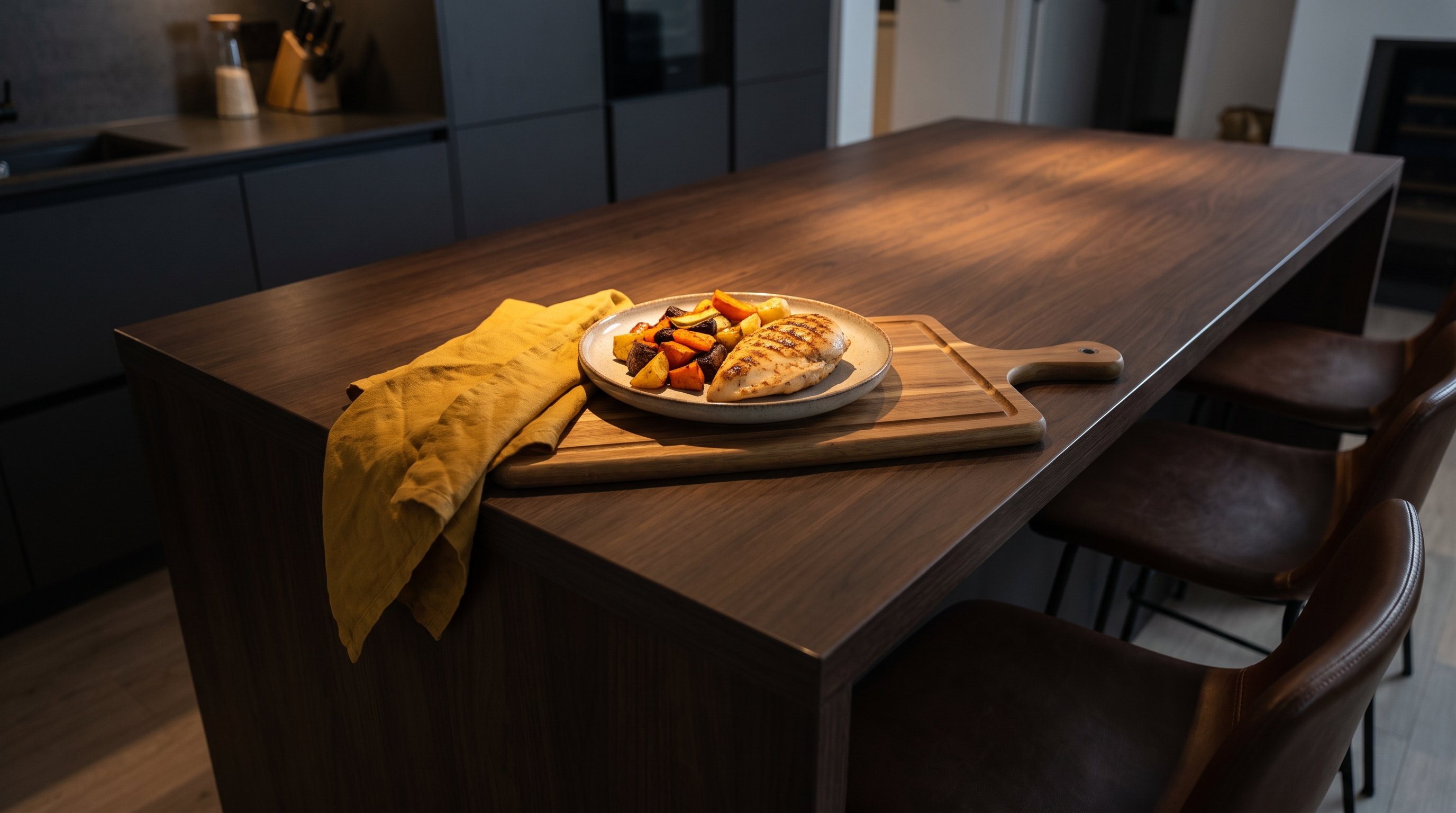
- Do Recovery Shakes Actually Beat Real Meals?
- What Recovery Food Is Actually Repairing
- How Much Recovery Food Actually Fits a Day
- Why Whole Meals Win the Long Game
- Making Recovery Meals Work With a Busy Week
- No, There's No Single Superfood for Faster Repair
- What Actually Shifts Recovery Outcomes
- Mistakes That Quietly Undo Recovery Eating
- Pairing Steady Recovery Habits With DoKegel
- Building a Recovery Routine You'll Actually Repeat
The most useful answer: a whole food meal with protein, carbohydrate and fluid does the same job as most shakes, just slower to prepare and often cheaper per serving.
Muscle recovery depends on giving the body the raw materials it needs to repair tissue that's been worked - protein for rebuilding, carbohydrate for restocking energy stores, and fluid plus minerals to replace what was lost through sweat.
This article looks at whether shakes actually beat whole meals, how recovery nutrition works, how much and how often food matters, and where the biggest mistakes happen.
Do Recovery Shakes Actually Beat Real Meals?
Muscle tissue gets broken down a little during hard activity, and the repair process needs protein building blocks called amino acids to patch it back together.
A shake delivers those amino acids fast because it's already liquid and low in fibre, which means less digestion time before the nutrients are available.
A chicken salad or a bowl of eggs and rice delivers the same amino acids, just over a longer digestion window of maybe one to two hours instead of twenty to thirty minutes.
Over a full day, the total amount of protein eaten matters more than how fast any single meal was absorbed, so the arithmetic favours whichever option you'll actually eat consistently.
What Recovery Food Is Actually Repairing
Two separate jobs happen after exercise, and food has to cover both of them.
Rebuilding Muscle Fibres With Protein
Protein supplies the amino acids used to repair the small tears that happen in muscle fibres during activity, and spreading protein across the day gives the body a steady supply rather than one large dose.
Refilling Energy Stores With Carbohydrate
Carbohydrate gets stored in muscle as glycogen, the fuel used during activity, and eating carbohydrate afterwards helps refill those stores so the next session doesn't start running on empty.
Fluid and electrolytes matter too, since sweat carries out water and sodium that need replacing before the body feels fully recovered.
How Much Recovery Food Actually Fits a Day
There's no single magic number, but a simple pattern works for most people building a recovery plate.
A Practical Plate Pattern
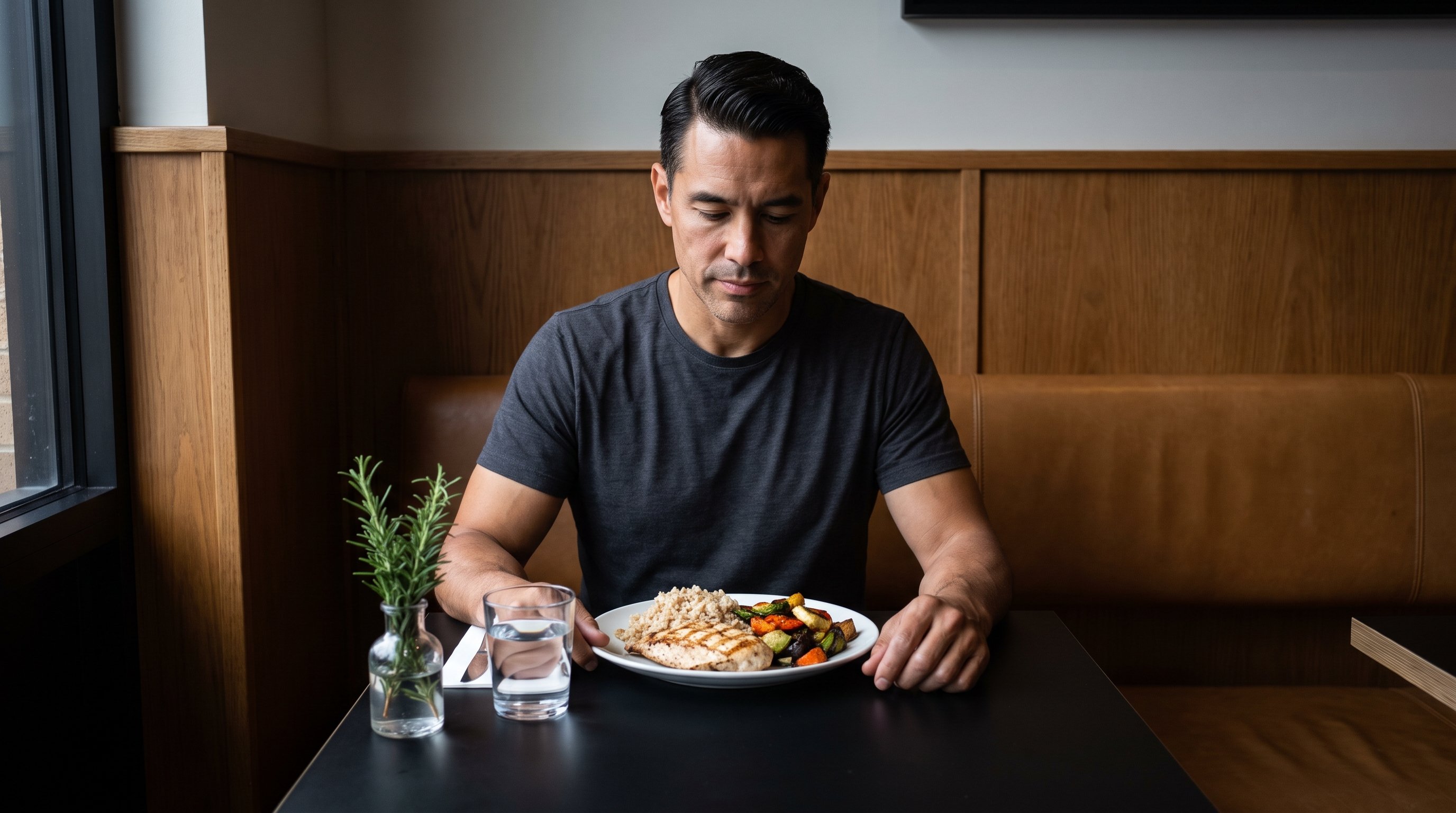
Fill roughly a quarter of the plate with a protein source, a quarter with a carbohydrate source, and the rest with vegetables or fruit, then add fluid alongside the meal.
| Meal Slot | Protein Source | Carb Source | Fluid |
|---|---|---|---|
| Post-Workout Meal | Chicken, eggs, fish | Rice, potatoes, oats | Water or milk |
| Quick Shake Option | Protein powder, yoghurt | Banana, oats | Water or milk |
| Lunch or Dinner | Beans, tofu, meat | Bread, pasta, grains | Water |
| Snack Between Meals | Cottage cheese, nuts | Fruit, crackers | Water |
Four slots across a day covers most people's needs without requiring any special timing window.
Why Whole Meals Win the Long Game
A shake is quick, but a jar of powder gets boring fast and a fridge full of pre-made shakes isn't always practical or affordable.
A whole meal like grilled fish with rice and greens delivers the same nutrients, keeps you fuller for longer, and fits into a normal grocery shop without needing a separate supplement budget.

The adherence argument is simple: the food you'll actually keep eating week after week beats the one that technically works faster but gets abandoned after a month.
Shakes still have a place when time is tight, like straight after a late session with no kitchen nearby, but they don't need to replace real meals as a default.
Making Recovery Meals Work With a Busy Week
Batch-cooking a protein and a carbohydrate source once or twice a week removes the daily decision-making and makes recovery eating close to automatic.
Keeping a simple routine around food pairs naturally with keeping other daily habits in one place, which is part of what DoKegel's habit trackers are built to support, alongside hydration and wellness routines.
None of this needs a strict diet or a gym membership, just a repeatable pattern that holds up on an ordinary Tuesday.
No, There's No Single Superfood for Faster Repair
No single food speeds up muscle repair on its own, and no food targets repair to one specific muscle group either - the body doesn't work that way.
Recovery depends on total protein, total carbohydrate, fluid and sleep across the whole day, not on one ingredient added to a shake.
The honest answer is less exciting than a superfood claim: consistent meals, spread across the day, do the actual work.
What Actually Shifts Recovery Outcomes
Three factors matter more than any single food choice.
Factors That Matter Most
- Total protein across the day - spreading protein over three or four meals matters more than the exact source or timing of any one meal.
- Carbohydrate to refill energy stores - skipping carbohydrate after activity leaves glycogen stores low, which can make the next session feel harder.
- Fluid and sleep alongside food - food alone can't cover for dehydration or poor sleep, both of which slow down how recovered you feel.
Mistakes That Quietly Undo Recovery Eating
Skipping Meals After Activity
Waiting too long to eat after a hard session often leads to undereating for the rest of the day, so aim to get a meal or snack in within a few hours rather than leaving it until you're overly hungry.
Relying on Shakes Alone
Treating a shake as the only recovery food can mean missing out on fibre, vitamins and variety that whole meals naturally provide, so use shakes as a backup rather than the default.
Forgetting Fluid Entirely
Focusing only on protein and carbohydrate while ignoring fluid loss can leave you feeling flat even after a solid meal, so pair food with water consistently.
Chasing One Perfect Food
Hunting for a single miracle ingredient wastes time better spent on a repeatable weekly pattern of simple meals.
Pairing Steady Recovery Habits With DoKegel
Recovery nutrition works best as part of a wider set of daily habits rather than a one-off meal plan.
DoKegel keeps hydration and wellness routines in one place, alongside guided Kegel exercise sessions, trackers, challenges and a specialist-curated article library that covers topics like this one.
Building food habits alongside other small daily routines tends to stick better than treating nutrition as a separate project, and that's the idea behind keeping everything tracked in a single app.
Build Stamina Naturally
Train Where It Counts
Building a Recovery Routine You'll Actually Repeat
Pick one whole food meal to prepare after your next workout, something simple like eggs and rice or chicken and potatoes, and keep fluid within reach while you eat.
Repeat that same meal pattern for a week before adding variety, and keep a shake in the fridge for the days when there genuinely isn't time to cook - that's the whole approach, and DoKegel's trackers can help keep the hydration side of it visible day to day.
FAQ
Shakes digest faster, but whole meals deliver the same amino acids over a slightly longer window, so total protein across the day matters more than the format. Most people do better long-term with whole meals as the default and shakes as a backup.
No, powder can be useful when time is tight or appetite is low straight after activity. It just doesn't need to replace whole meals the rest of the time.
A quick shake, a tub of yoghurt, or even a sandwich prepared in advance covers the gap until a proper meal is possible. The goal is getting some protein and carbohydrate in within a reasonable window, not perfection.
Most people drop recovery eating when it feels like an extra chore layered on top of an already busy day. Keeping food habits alongside other simple routines, the way DoKegel keeps hydration and wellness tracking in one place, tends to make the pattern easier to hold onto.
Share this post